Moscow
Following the western music industry's exodus from Russia in 2022, the market share previously occupied by Universal, Sony and Warner was divided between domestic corporations.
Western labels stopped distributing their releases while streaming giants had their user base absorbed by local services like VK Music and Yandex. New labels were set up by conglomerates like telecom giant MTS and Russia's biggest gas company, Gazprom. Sony Music Russia became Koala Music and Atlantic became Lotus.
Laws restricting free expression in music have since come into force. Discrediting the army, promoting drug use or "non-traditional sexual relations" is banned, enforced by the country's media regulator Roskomnadzor. Culture magazines, TV and radio stations have been acquired by state-directed corporations. World tours now mostly bypass the market entirely. All this combined makes for a rigid and homogenous mainstream music offer in Russia.
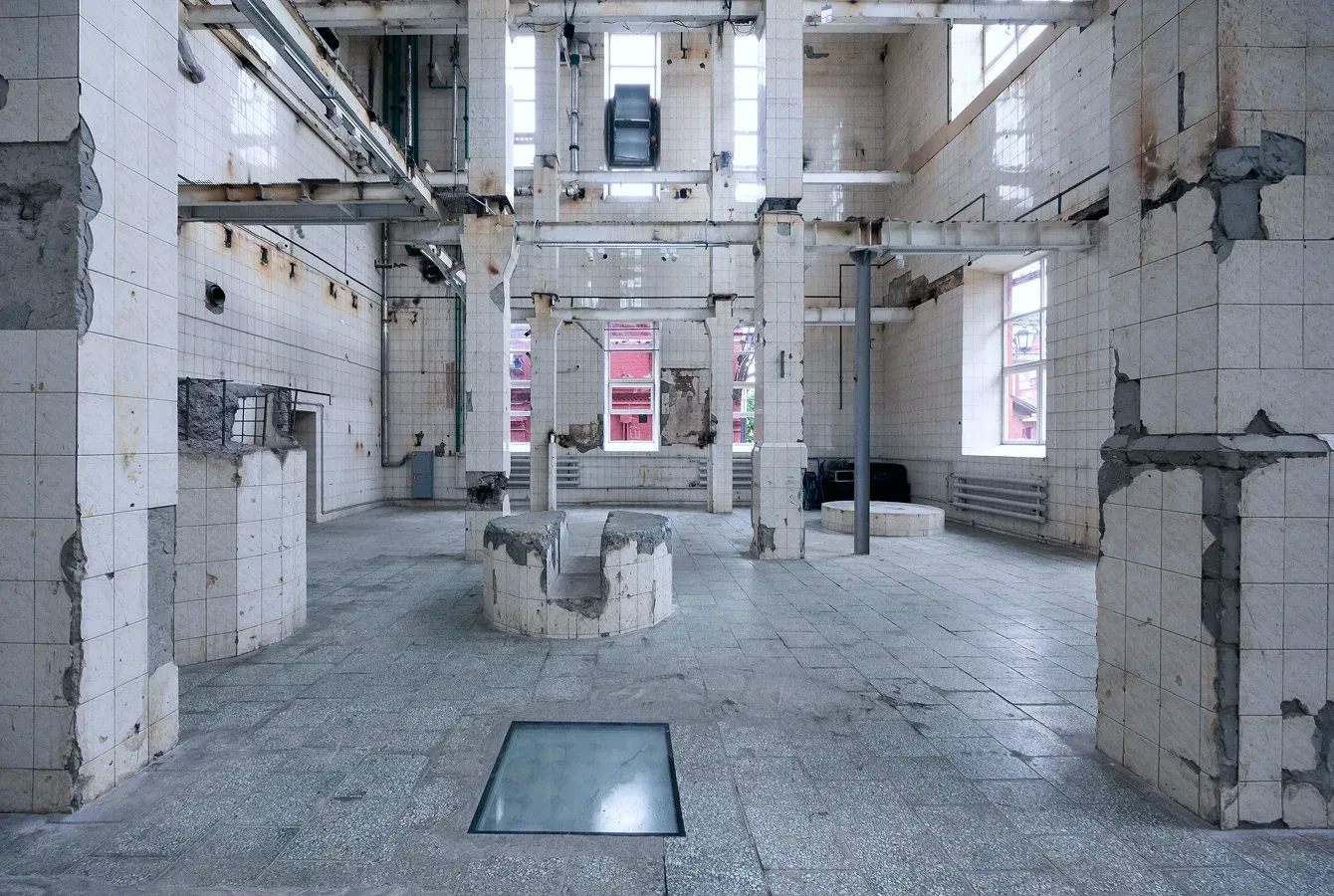
By contrast, the Moscow underground is one big mercurial experiment. The absence of international artists from lineups casts a new light on locals, laying fertile ground on which Muscovites are launching record labels, parties, venues and community radio stations. The former chocolate factories, glass plants and vodka distilleries in the city's post-industrial landscape serve as festival sites, techno clubs and artist villages.
Scenes are held together by Telegram, accessible only via VPN since it was banned in February. Channels on the app function as industry networks, artist and label community hubs, nightlife guides and music discovery platforms.
The indie sector orbits the Institute of Musical Initiatives (IMI) which launched in 2019 to serve Russia's independent artists and workers, cataloguing every label, agency and freelancer in the market into their sprawling web index.
For the first ex-directory mailer, we are in Moscow (via Telegram) chatting with local and emigré music workers about the city's resilient underground and how things have changed since the war broke out.
ex-directory is indexing the global music industry.

Topot is the now-legendary label that grew out of Moscow's improvisational music scene in 2014. Started by Trumpeter Konstantin Sukhan and artist Evgeniy Golachkin, the label began by selling bootleg CDs of their diligently recorded improvisation sessions, which happened three or four nights a week, paired with cover art by designer Ivan Yakushev.
Topot would go on to produce a zine cataloguing their scene - which included interviews with international artists - and an anarcho-punk music festival called Farsh, thrown annually in an empty train depot in central Moscow. "We simply followed our own path," says Evgeniy over email. "At the time, nobody else around us was really doing this kind of work."
Evgeniy's mission at Topot was to introduce international listeners to the wildness and breadth of Russian experimental music. "What mattered most was showing people that there was nothing to be afraid of when it came to experimentation." There are over 60 official releases on the label spanning free jazz, punk, poetry and noise. "I try to put out music that I believe will last forever."
One of Topot's most noteable releases is State Assignment, a 1 hour 13 minute improvisation between the poet Kirill Shirokov and multi-instrumentalist Felix Mirensky, recorded in secret during the summer break at ZIL Cultural Centre in Moscow in June 2022, where Evgeniy was working. The liner notes state: "this release was created in defiance of the Russian political regime" and was sold alongside an accompanying book of poetry.
By the autumn, ZIL Cultural Centre had been temporarily taken over by a military enlistment office. With the international audience Topot had spent so many years carefully cultivating now beyond reach and his collective decimated by mass emigration, Evgeniy left Moscow for Tashkent, Uzbekistan, where he stayed for four years.
Three months ago, Evgeniy returned to Moscow and resumed working with his, now much smaller, collective. "You can't stop a war by emigrating. It's a beautiful gesture, but it doesn't work." In the intervening years, Evgeniy notes that a new generation of experimental musicians has emerged in the city, kids who were thirteen when the war started. "They're passionately exploring experimental music, desperately searching for their heroes, and often turning to those of us who've been around longer for advice and experience. They're inventing a new sound, and I love that sound."
Evgeniy's hope is for international artists to return to Moscow. "Over the past five years, so many labels and promoters have turned their backs on Russian artists. For some reason, a lot of people seem to assume that everyone here supports the war, so they'd rather have nothing to do with us. Russian audiences are incredibly appreciative. If you get the chance, come and play in Russia now, of all times. It'll be a sell-out... and, of course, you have to be a little crazy! Russians love crazy stuff."
UK Dealer serves as a Russian outpost for various subgenres of UK dance music. Headquartered between Moscow and St Petersberg, label founder EUGN — a self-described "conoisseur of British sounds" — held the label's inaugural event in 2023, titled UK DEALER: REVELATION.
Together with co-founder WASTA, a resident DJ for fellow label collectives Disco Klub and System 108, their mission was to bring UK DJs to town for jungle, garage, breakbeat and hardgroove parties. When that became too complicated, the duo focused on developing the label's domestic footprint. To date, the label has 77 official releases from a roster of local residents and artists from South Korea, Australia, France, Serbia, the US and, of course, the UK.
"We would like to bring British artists over to Russia, as there are plenty of fans of this sound here," EUGN writes via Telegram. "However, due to the political situation, for now everyone is afraid for their reputation and refuses. That is why we are developing our scene through our own efforts during these difficult times."
Starting out as a party collective that brought label founder Ypsy closer to artists in Moscow's techno scene, STATION officially launched as a label this year. "It felt like a natural next step," he says via DM. "We wanted to release music by artists who are developing their own sound, experimenting, and following their intincts rather than trying to fit into mainstream expectations." Alongside the label, STATION works as a promoter, throwing parties and producing radio shows.
"The conditions we work with changed after 2022. Some international artists stopped coming, and organising international bookings became more complicated and expensive. Against that backdrop, more attention has shifted towards the local scene: Russian DJs, producers, and collectives. I think that is a meaningful shift. There are artists here with distinctive sounds, and we want people to take an interest in their music on its own merits. Supporting those musicians is one of STATION’s main priorities."
Last week, Ypsy DJ'd as one of twelve acts at STATION's collab party with the label КУЛЬТПРОСВЕТ at Fābula HQ.
"I would say the scene is adapting. There are challenges, but the desire to make music, throw parties, and introduce people to new names has not gone away. We keep doing that because we believe in building our community."

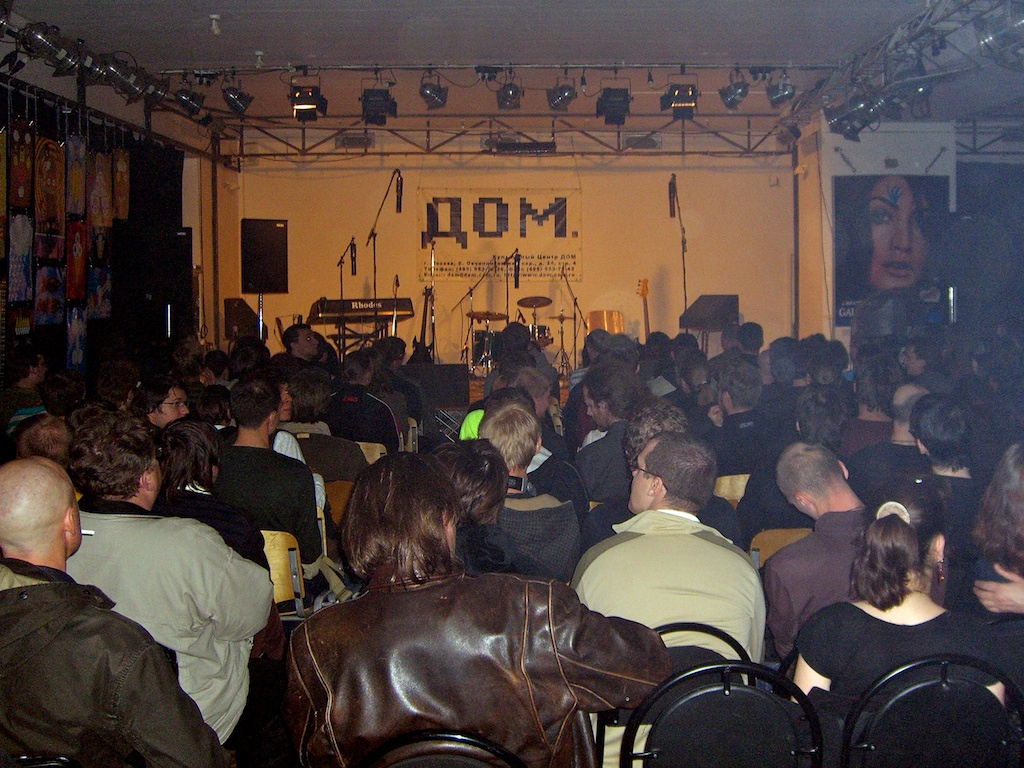
DOM Cultural Centre is a Moscow institution, platforming the city's weird and wonderful artists since 1999 when it was founded by the Moscow House of Amateur Art (MDST). Prior to 1991, the MDST was run by the Inter-Union House of Amateur Art, a central organ of the Soviet Union responsible for its network of, at its peak, over 137,000 cultural centres.
Other famous Russian houses of culture include the Leningrad House of Amateur Art, birthplace of Russian underground rock and arguably the country's most famous musical export, the band Kino.
Today DOM continues its tradition of blending folk art with contemporary work to create a unique program. This week you can check out experimental free jazz, a Tuvan throat singing ensemble, and Slua Sí, a local group who perform traditional Irish folk songs.
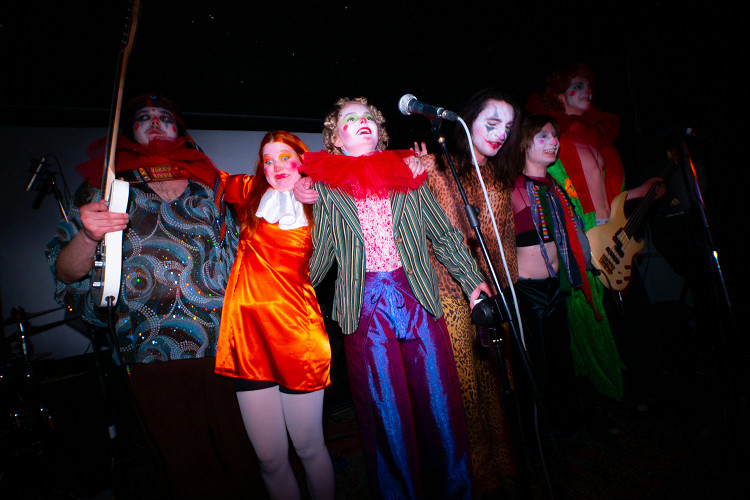
Sklad No. 3 is a DIY space and community arts venue based on the second floor of Gamma Arts Cluster, an artist neighbourhood operating out of an old dye factory.
Before the Sklad (warehouse) was the Kvartira (apartment), a 60m² flat in a residential building that served as a gig venue for four months in 2021, before their neighbours kicked them out. Shortly after, their team found a spot twice the size inside one of Moscow's arts clusters - repurposed former industrial zones that house artist studios, exhibition halls and performance spaces - where it has been ever since. Other noteable arts clusters in Moscow include the cty's first and biggest, Artplay, and GES-2, a giant house of culture occupying a former power station on the Moskvar river.
Speaking to Afisha Magazine in February - who called Sklad No.3 "the centre of Moscow's underground" - the founders describe building the warehouse as a form of escapism when mobilisation started in 2022. Their program is eclectic, with upcoming indie, post-punk and math rock shows, interspersed with anarcho-punk lectures and art exhibitions.
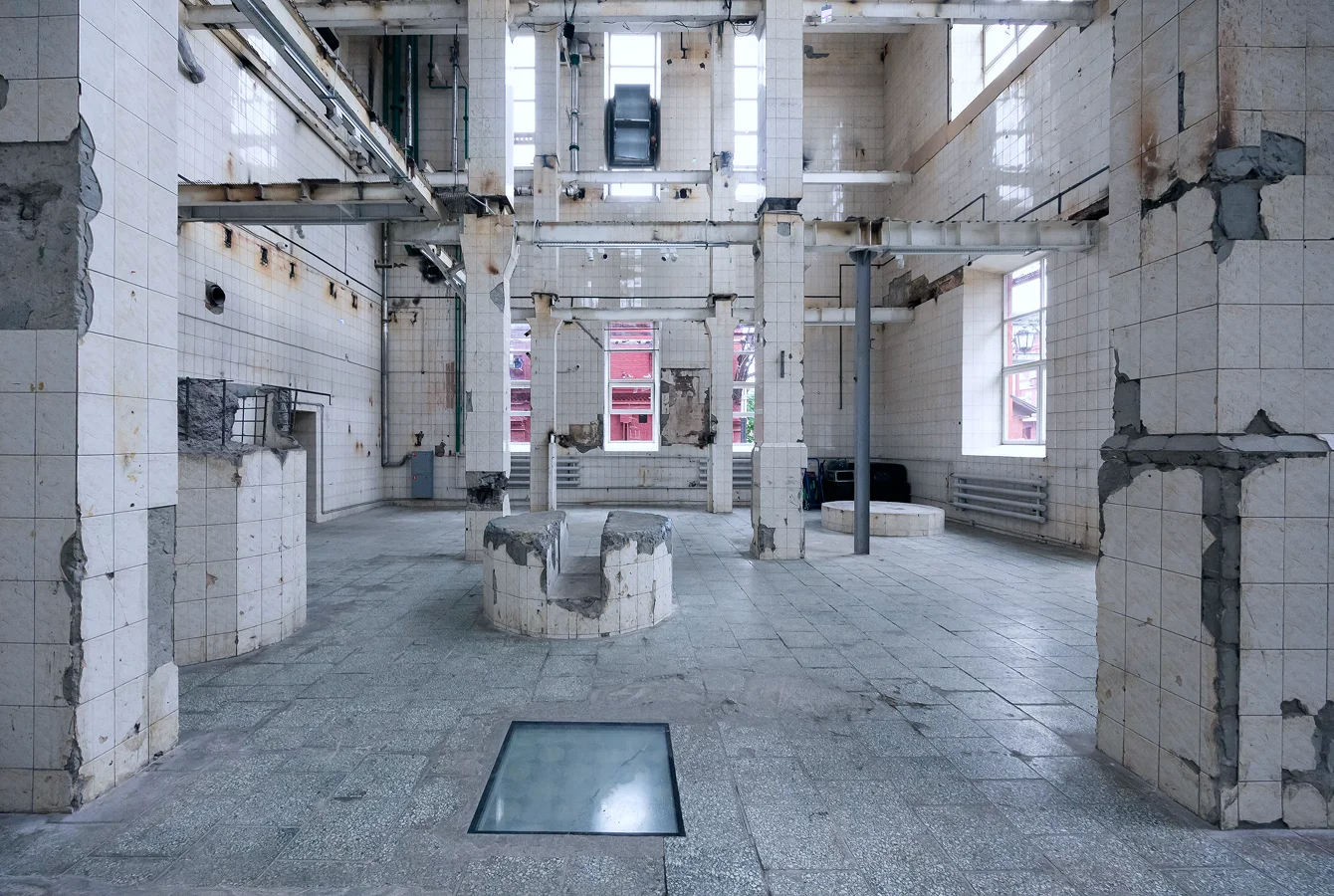
Fābula is a mixed use gallery and club space based in the preserved ruins of the Kristall vodka distillery. Starting as a gallery in 2024 exhibiting work from both Russian and international artists, the team joined forces with Viacheslav Sultanov who brought cultural programming and web radio into the space. It stands today as a highlight in Moscow's nightlife offer.
Featuring characteristically eclectic programming, recent and upcoming shows include showcases for aforementioned techno label STATION, "ironic pop-rave" Temple du Plastique, the afterparty for Cosmoscow International Art Fair, and an evening of post-industrial noise improvisation from Moscow Noise Manufactory.
Their patio exists as a summer fixture and broadcast spot for Fābula Radio, streaming DJ sets once a week to YouTube.

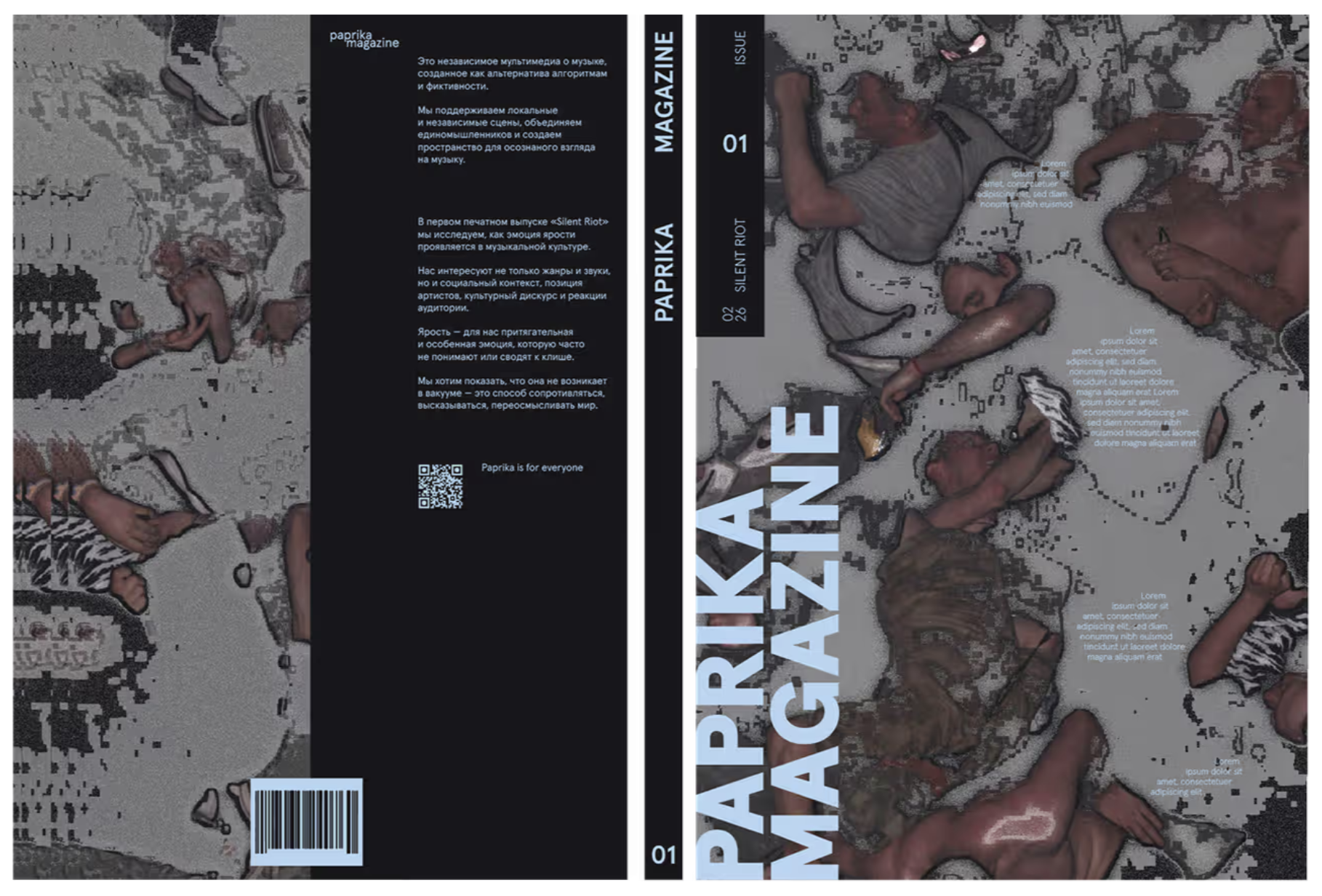
Paprika was founded in 2021 by Dionis Schmidt at age 17 as a place to post about his favourite records. Today, the site collates music recommendations from 32 curators and has spun-off into a festival, podcast, a crowdfunded print issue called Silent Riot, and a forthcoming live nightlife map called SceneIndex.
Among Paprika's most read stories are interviews with Russian artist-producer Kedr Livanskiy, filmmaker Viyaly Akimov and their #FuckSpotify boycott campaign. In an interview this summer with the Anti-Hauntology Hauntology Club blog, Dionis proclaims: "chaos is our tone-of-voice".
In the same interview Dionis trails his forthcoming SceneIndex project as "like Resident Advisor but better". The project consists of a live web map that brings together nightlife highlights from 50+ curators across 8 cities in Russia.
In November, Silent Riot Issue 01 will launch, pending the various edits required to legally launch a magazine in adherence with current censorship laws. The 999 copies will be funded by a crowdfunding campaign that has raised 227,950 ₽ from 64 backers.
Located in the KULTURA Record Store in Basmanny district, KURS Radio is broadcasting worldwide five days a week.
Established in 2024, KURS has platformed pretty much everyone else I spoke to for this newsletter, and serves as a central node in Moscow's independent scene. Per their website, KURS exists "to bring people together, discover and nurture new talents across the country, to unveil the hidden and the unknown, and to share with the world what is happening deep within the local scene."
Regular residencies on KURS include minimal dub show ДИП Корпус, a field recording show called Next Room, kraurock and psychedelic throwback hour Angel Dust and a program dedicated to rare vinyl crate digging called mainstream-downstream.
LAB is sort of like the YouTube live session format on steroids. The channel started in 2019 as a place for artists to perform covers with new arrangements. Today its primary format LAB Live is an ultra-high-production live film shot in a sold-out stadium, complete with a full orchestra, choir and rotating cast of celebrity performers. Initially released by streaming service Yandex, the show today airs on the biggest entertainment TV channel in Russia, TNT.
LAB is the brainchild of Anton Belyaev, frontman of the band Therr Maitz, who shot to fame in the wake of his appearance on Russia's version of The Voice (Голос). The series has platformed some of Russia's biggest stars including Monetochka and MC Noize, both of whom are living in exile after being designated "foreign agents" for releasing work critical of the war.

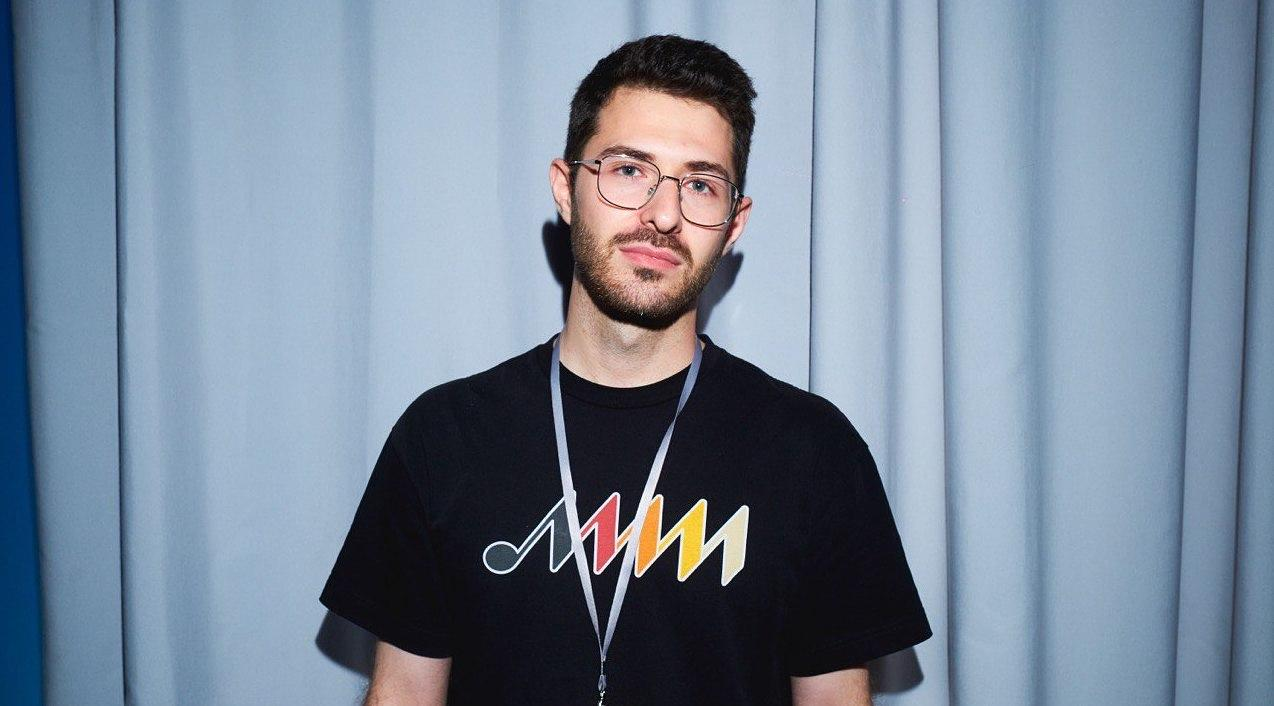
Artem is the managing director of the Institute of Musical Initiatives (IMI), the axis around which Russian independent music revolves. I started by asking him why, in 2019, he decided to start building it.
"The main problem we wanted to solve was the lack of accessible knowledge about the music industry. The market was pretty opaque, especially for artists — it wasn’t clear how things worked, who did what, or what you actually needed to do to build a sustainable career. So for the first few years, a lot of our work was educational: trying to describe the industry, bring knowledge together in one place, and create practical guides for artists. Now we feel we’ve covered most of the fundamental questions about how the industry works, so we’re moving into a second stage. We want to build infrastructure that helps musicians not only understand the industry, but actually become part of it and do things within it."
Echoing what others in the market have said, Artem agrees the vacuum left by international artists and music companies since 2022 has created an opportunity for local artists. "A huge number of new artists emerged, more of them started playing live, and the whole local ecosystem became mucch stronger. In a way since 2022 we've seen a real boom in Russian music, probably on a scale we hadn't seen before."
The IMI is producing everything from live events, panel discussions, funding programs and runs a giant web directory, cataloguing the entire independent sector across Russia. Many people I spoke to in conducting research for this newsletter said the IMI was the first place they'd send an outsider who is looking to learn about the music industry in Russia today.
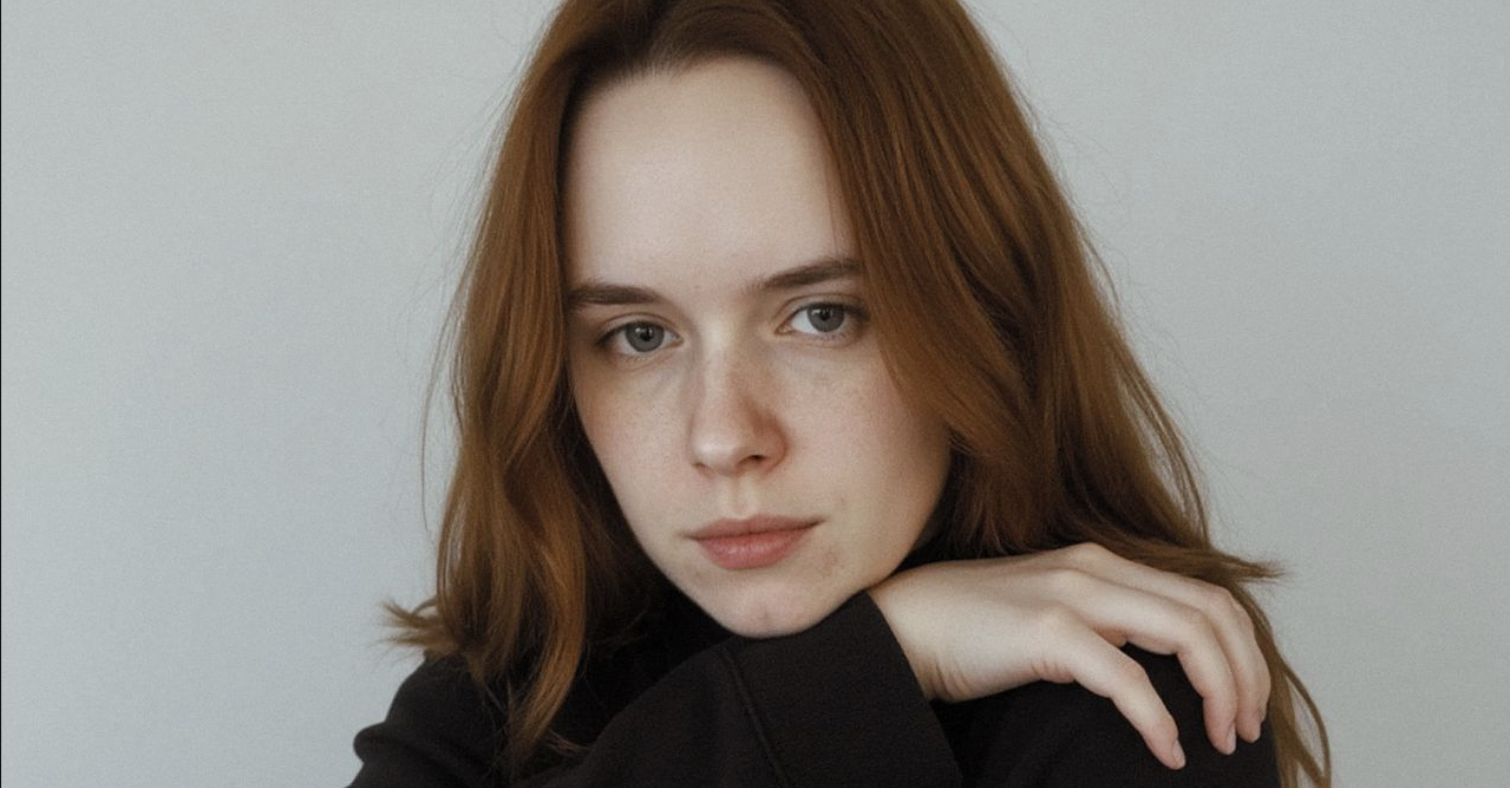
Maria is a co-founder of label services and artist management company Noux, and founder of Noux Academy, a project that connects independent artists and teams with advice on setting up their businesses. She's now based in Helsinki along with her business partner Dmitry since she left Russia in 2022
Much of their work is about helping international artists connect to the Russian market, deliver their music and get paid. "Collecting royalties was hard before the war, and it’s even harder now. Unless you know someone physically there, a native who knows the ups and downs of the market, it’s a dark forest."
"For Russian independent artists, from a business standpoint, I think it’s a good thing for them now: they definitely have more room to breathe and more opportunities. On the other hand... I also know a lot of small and mid-sized artists who emigrated, and to me that’s sad. They had big audiences in Russia, and some lost the connection and the hype and are now building from scratch. It looks painful. Music doesn’t have boundaries, it’s not supposed to have a passport."
Leaving no stone unturned in their quest to help independent artists learn about the industry, Noux Academy has recently launched an online RPG game called Artist Simulator, where you aim to find a balance of Energy, Mental Health, Hype and Inspiration on your way from "No-Name to Idol".
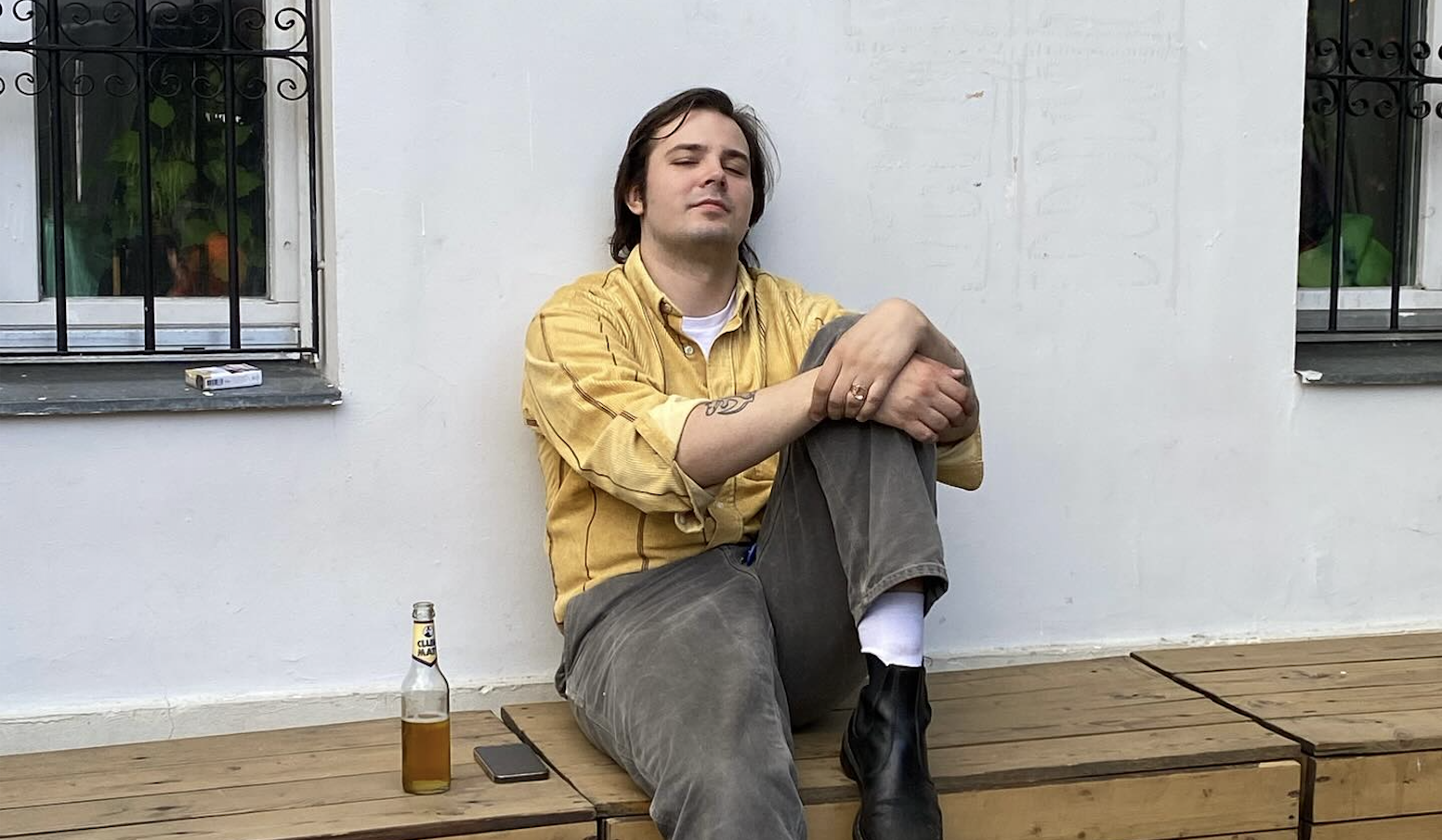
Chatting over DMs, Moscow-based artist manager and booking agent Anton Kopyteen says Russian music is "more diverse than ever - and that's something to be excited about." He manages the indie-punk band Waterpark Station and j-rock outfit Sotode 外で.
"Since 2022, the Russian music industry has obviously undergone significant changes, but I would say they have been quite a logical development. A vacuum emerged in the industry, and something was bound to fill it." Anton describes a landscape where local artists have recaptured their own unique identity after years of being influenced by global trends, and indie artists have clearer routes than ever to success. "The path from being a local indie act to playing a 12,000-capacity arena has become more accessible than ever - and the best part is that success is increasingly driven not by major labels and their resources, but by the listeners themselves."
"Personally, as the manager of two indie bands and a concert manager at a live music agency, I face various challenges, but I feel that these challenges have always been part of the job. In fact, I would argue that focusing on the domestic market and competing with other artists here pushes us to learn, experiment, and come up with new promotional strategies. Every challenge creates an opportunity for growth."